Call Us or Whatsapp: 07427 376 433 or email Simon@wstranslations.co.uk

The Role of Legal Translation Services
Legal translation services play a vital role in ensuring effective communication across language barriers in various legal contexts
7/23/20252 min read

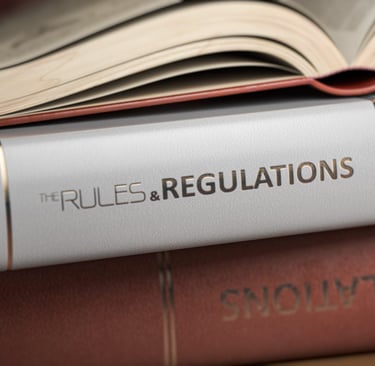
Ensuring Accuracy in Legal Communications
Legal translation services play a vital role in ensuring effective communication across language barriers in various legal contexts. From immigration proceedings to criminal justice and international business contracts, accurate legal translations are essential for maintaining the integrity of legal processes and protecting individuals’ rights.
Why Legal Translation Matters
Legal translation is more than just converting words from one language to another. It requires a deep understanding of legal terminology, cultural nuances, and the specific requirements of different legal systems. Here’s why legal translation services are crucial:
Immigration and Documentation
Immigration processes rely heavily on accurate translations of vital documents such as:
Birth certificates
Marriage certificates
Academic credentials
Criminal background checks
Legal affidavits
These documents must be translated with precision to meet immigration authorities’ requirements. Certified translations, complete with translator credentials and attestation, are often mandatory for official proceedings.
Criminal Justice System
In criminal proceedings, accurate translations are fundamental to ensuring fair trials and protecting defendants’ rights. This includes:
Court document translation
Evidence translation
Real-time interpretation during proceedings
Legal correspondence translation
Witness testimony translation
International Business and Contract
For businesses operating across borders, legal translation services are essential for:
Contract negotiations
Regulatory compliance
International agreements
Corporate documentation
Intellectual property filings
The High Stakes of Translation Errors
The consequences of legal translation errors can be severe and far-reaching:
Financial Impact
Significant monetary losses due to contract misinterpretations
Legal fees from resulting disputes
Costs of correcting translation errors
Potential damages from legal proceedings
Legal Consequences
Invalid contracts or agreements
Delayed legal proceedings
Visa rejections or immigration issues
Compliance violations
Increased liability exposure
Professional Repercussions
Damaged reputation
Loss of client trust
Missed business opportunities
Professional liability issues
Strained international relationships
Risks of Legal Translation Errors
Poor translations can lead to miscommunication and misunderstandings between parties. This can distort the meaning of agreements, contracts, or legal obligations, leading to disputes or non-compliance.
Impact on Court Cases
Legal translation errors can significantly impact court cases. Minor mistakes can alter the outcomes of cases, delay proceedings, and affect court rulings. For example, a mistranslation of a key term in a contract can result in a claim being thrown out.
Immigration Consequences
In the context of immigration, mistranslations can have severe consequences, such as visa rejections, deportation orders, and other adverse outcomes. Accurate translation is crucial for ensuring that immigration documents are correctly interpreted and processed.
Altered Case Outcomes:
A seemingly minor mistranslation can lead to disputes that delay proceedings, alter contractual obligations, or even change the outcome of a case. This can have a profound impact on the justice system and the individuals involved.
Contract Violations
Poor translations can cause contract violations, missed deadlines, or negative court decisions. These might result in financial penalties, loss of business opportunities, and damaged professional relationships.
Best Practices for Legal Translation
To minimise risks and ensure accurate translations, consider these essential practices:
Use Certified Translators
Work with professionals like WS Translations who have proper certification and specialisation in legal translation
Verify credentials and experience in specific legal areas
Ensure familiarity with relevant legal systems
Implement Quality Control
Establish multiple review stages
Maintain glossaries of legal terminology
Conduct back-translations for critical documents
Maintain Documentation
Keep detailed records of translation processes
Document any clarifications or consultations
Preserve original documents and all versions
Maintain certification records
Conclusion
Legal translation services are a cornerstone of international legal practice and cross-border communications. The stakes are high, and the consequences of errors can be severe. By understanding these risks and implementing proper safeguards, legal professionals can ensure accurate translations when using WS Translations who have over 25 years’ experience as a reliable translation service that serves their clients’ needs while maintaining legal compliance and professional standards.
Remember: When it comes to legal translation, there’s no room for compromise. The investment in quality translation services is minimal compared to the potential costs of errors and their consequences.
Office
ST MARY'S PADDOCK, WELLINGBOROUGH, NORTHANTS NN8 1HJ
sPeak to a Real Human
+44 (0) 7427 376 433
© 2025. All rights reserved.
Our Credentials and Accreditation
Registered in England Co No. 08290846 A service owned by Export Trade Services Ltd.